Featured

Functions and areas related to industrial mechanics

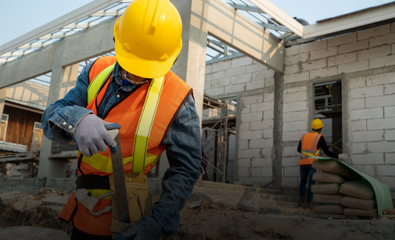
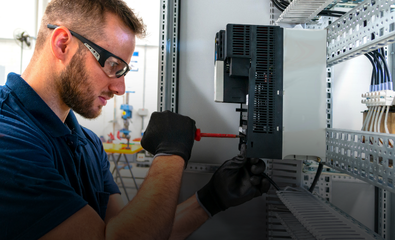
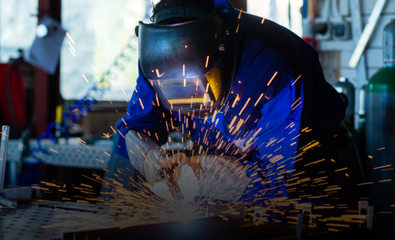
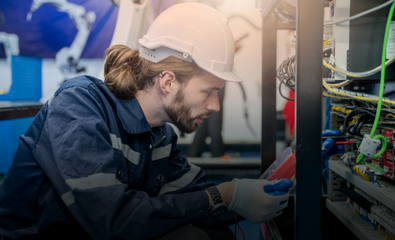
An industrial mechanic carries out preventive and corrective maintenance on machinery, assembles industrial equipment, diagnoses mechanical or electrical faults, and improves production processes. They may also adjust and calibrate machines.

Related areas include general mechanics, electromechanics, mechatronics, industrial automation, maintenance engineering, and industrial production.

Free tool

Do you need to create a CV for industrial mechanic jobs and don’t know how to start?

Use our Professional CV Builder. Our AI improves your descriptions, responsibilities and professional summary so you won’t be discarded in recruitment processes.

Professional templates
ATS optimised
Download as PDF
CREATE FREE PROFESSIONAL CV
You need a CV image

Information about working as an industrial mechanic

What is needed to be an industrial mechanic?

Requirements usually include vocational training in Electromechanical Maintenance, Mechatronics, or similar, industrial experience, and knowledge of hydraulics, pneumatics, welding, and reading plans, plus teamwork and fault-finding.

sector_19_prof26_seo1_p2

Average salary of an industrial mechanic

An industrial mechanic's salary typically ranges from €1,800 to €2,400 gross per month, depending on experience, location, and industry. In specialised firms or shift work it can exceed €2,500.

sector_19_prof26_seo2_p2

Advantages of working as an industrial mechanic

This profession offers high demand, job stability, specialisation, and continuous improvement, plus work across sectors and sites, supporting career mobility and technical development.

sector_19_prof26_seo3_p2

Do you need industrial mechanic jobs workers for your company?

At Jobfie we search, screen and select the most compatible profiles for your job offer. We want to help you build the best team for your company.

FIND WORKERS
Looking for workers image

FAQs about industrial mechanic jobs

What certifications are valued for industrial mechanics?

Valued certifications include occupational risk prevention, forklift, approved welding, work at height, and predictive maintenance. Courses in automation, PLCs, or reading electrical and mechanical diagrams are also useful.

sector_19_prof26_faq1_p2

Which industries hire industrial mechanics?

Industries that demand this profile include automotive, metals, food, chemical, pharmaceutical, energy, and capital goods. Any environment with heavy machinery or production lines needs qualified industrial mechanics.

sector_19_prof26_faq2_p2

How to improve as an industrial mechanic?

You can take courses in industrial maintenance, automation, welding, or PLC programming. Practical workshops, experience in different sectors, and keeping up with new technology also help career progress.

sector_19_prof26_faq3_p2
Suggestions